The story of the French Project and the woman behind it
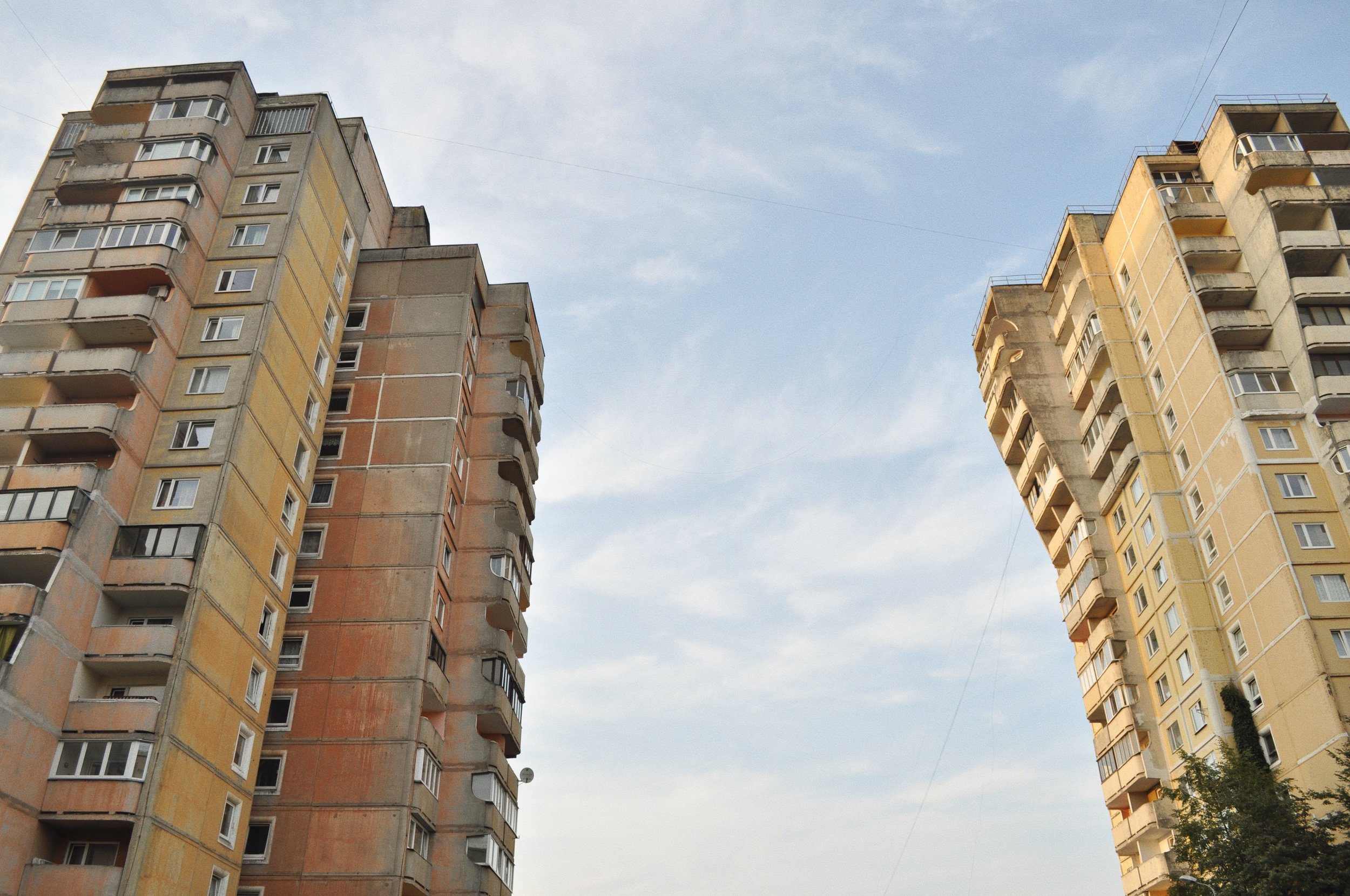
Purvciems, 2024
Image: By author
After going through five years of architecture school with female architects only mentioned in passing (except for Zaha Hadid, of course) it has been a joy to discover how many women have been responsible for some of my favourite soviet modernist projects. Such was the case with the beloved French project that has been a go-to in Riga for many soviet modernist lovers, designed by Olita Upaciere.
In our conversation, Olita seems humble, often highlighting the help she received from others (like her professors) throughout the years, almost like everything she has achieved has been some kind of an accident - even her work for Pilsētprojekts. Olita admits to being a little distracted with her two kids during the end of her studies so when the time came to see which placement she got, her hopes were not high. Even though she would’ve preferred to work in restoration, she got Rūpnīcprojekts (the institute responsible for the design of industrial buildings). And yet again a professor stepped in and offered her a place in the more prestigious Pilsētprojekts (Latvian Institute of Urban Design) under the condition that she agreed to work in department No. 6 - the one responsible for standard projects.
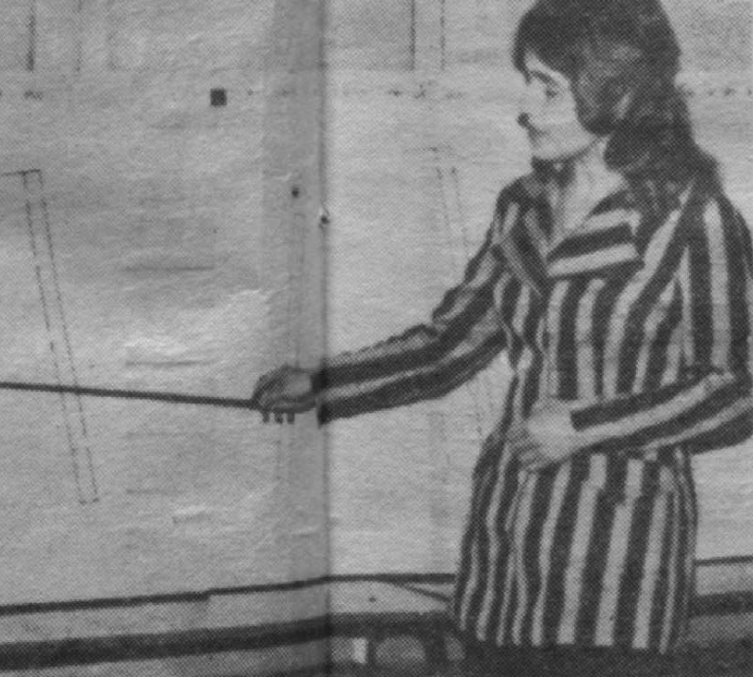
Olita Upaciere
Image: Author Unknown
The same thread of humility is woven into her story about the French project itself. By the end of the 1970s architects were looking for ways to liven up the monotonous architecture in microrayons without slowing down the construction pace or raising costs. The search for a solution led the local architects to France where instead of mass-produced panels, metal formwork and in-situ concrete (cast-in-place concrete) were used. In order to keep up with other republics where monolith concrete buildings were no longer a novelty, we, like other republics, purchased the metal framework (which could be used multiple times) from the French and this is precisely how these two high-rise buildings in the middle of Purvciems got their name - the French project.
Since plans were already existing the architects had to come up with the form of the building. Yet again Olita talks about winning the proposal like some sort of accident. At the time she was busy and didn’t have much time to work on the said proposal. After a quick look at what was happening in architecture abroad, she got an idea of two silhouettes working together - one expanding at the top, the other at the bottom. When it was time for lead architect of Pilsētprojkets, Modris Ģelzis, to judge the proposals, he stopped at Olita’s drawing board and declared that that’s exactly how they are going to build it. (Although, technically Olita’s proposal had 22 storeys, the existing buildings have only 18.)
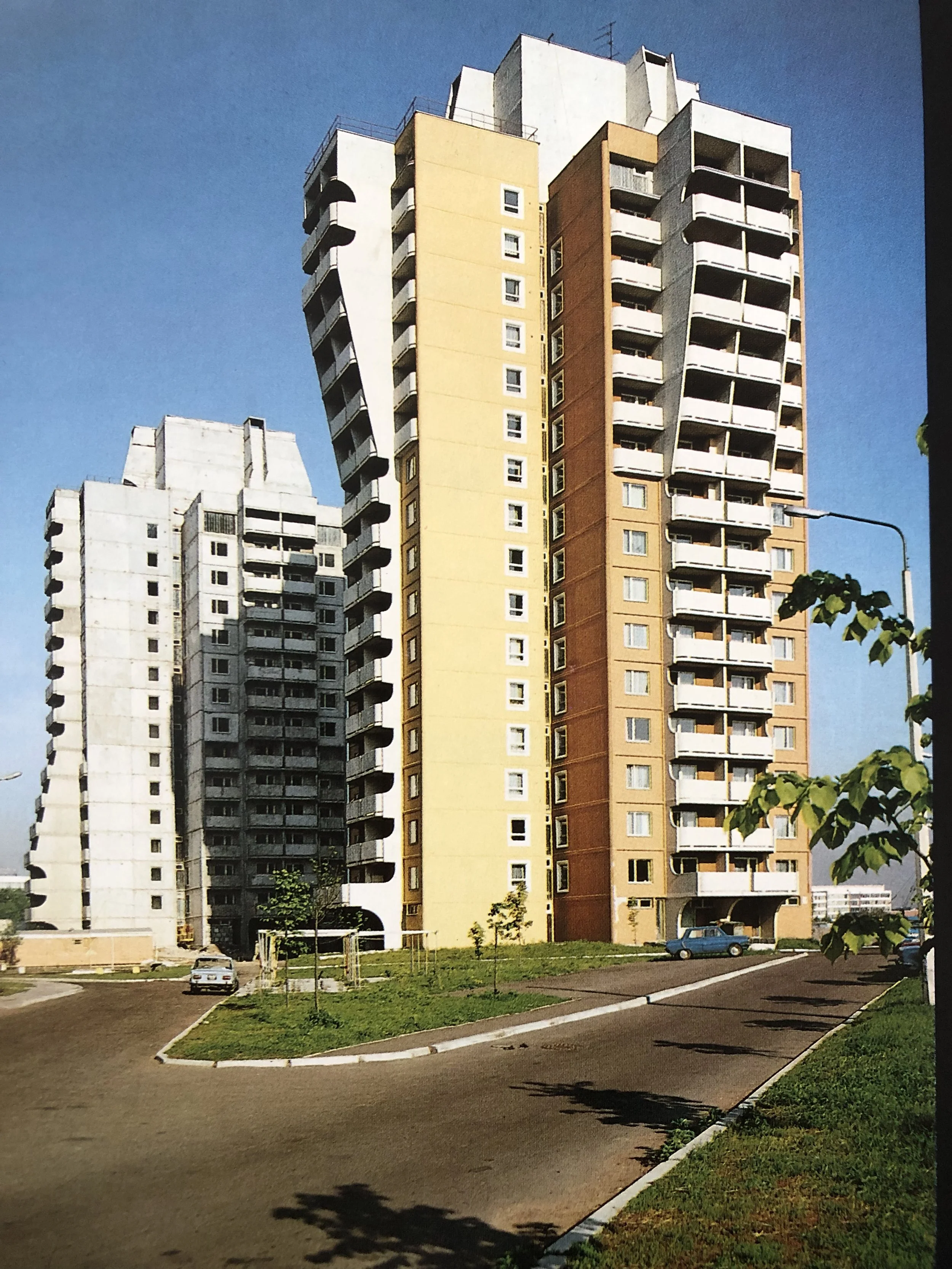
The French project
Image: Indriķis Stūrmanis
However, carrying out this project was not without its challenges. For example, in order to adapt the system for our climate, the external walls had to be built in two layers - monolithic concrete on the inside and expanded clay concrete panels on the outside.¹ If it was so complicated, why even use this construction method? As the architect explained, using in-situ concrete allows the architects more freedom during the design process, thus creating a more interesting urban environment and breaking up the monotonous microrayon scenery. It allows for design elements that would not be possible in panel buildings, for example, the unusual shape of the loggias seen here.² Some of the other advantages were the savings on transportation costs (as transporting prefabricated parts was considered expensive at the time) and steel, greater flexibility in apartment layouts and architectural solutions, higher surface quality than that of panels from the factory which meant that the walls did not need to be finished on site and there were no issues with panel seams or connections. It’s also important to note that in order to introduce new building series into production, an entire factory has to be prepared for the manufacturing of the specific building elements, which sometimes turned into a very time consuming process, for example, in the case of series 119, during which it was not possible to manufacture building elements for other series.
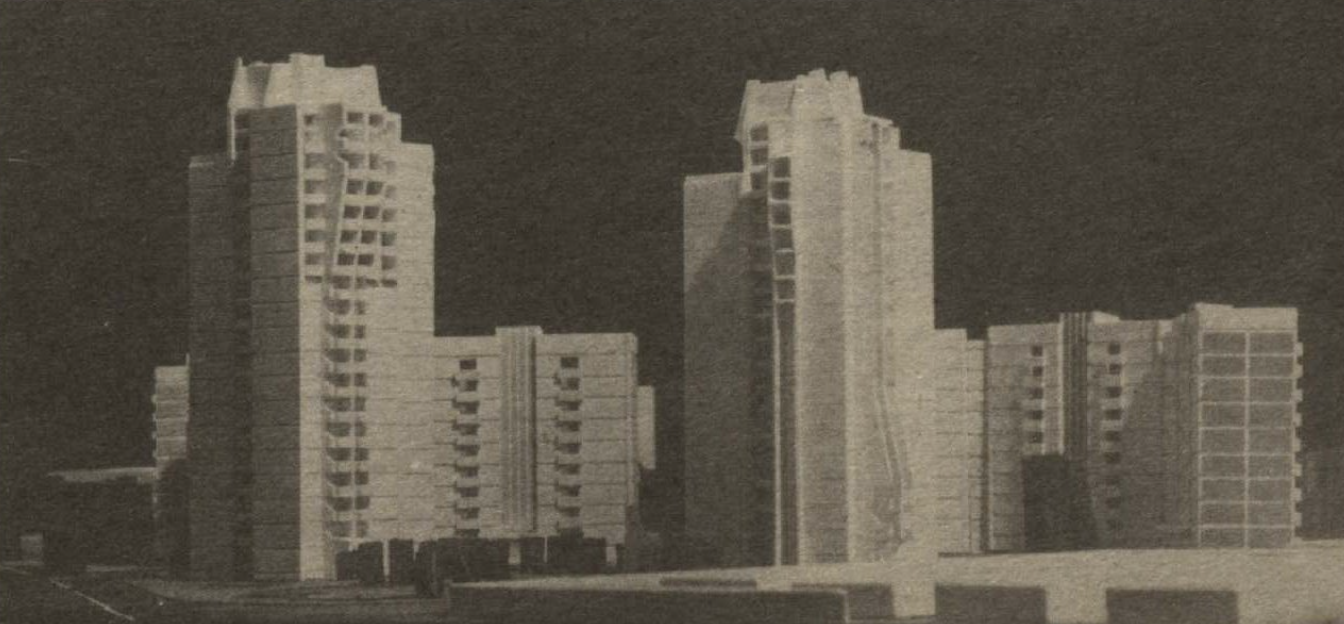
The model
Theoretically the process starting from the design of the in-situ building all the way up to its commissioning should have been much smoother than that of typical projects, but, of course, in reality it turned out differently. Even though the construction of the French project began in 1980, by May 1981 there was not much to show for it, the builders had only reached the basement. There were several circumstances to blame there, such as the lack of various construction parts, lack of skills (for example, how to pour concrete on site in winter), equipment breakage, lack of the right building materials, etc. However, over time the brigade picked up the pace and eventually got to the very impressive rate of one floor per month. And finally at the end of August 1983, the team poured in the last - the 18th - floor.³ Interestingly Olita points out that at the time it was not expected for the architect to be on site, actually the opposite. As an architect you were supposed to hand in your project and forget about it, letting the builders do the rest, which didn’t come easy for Olita.
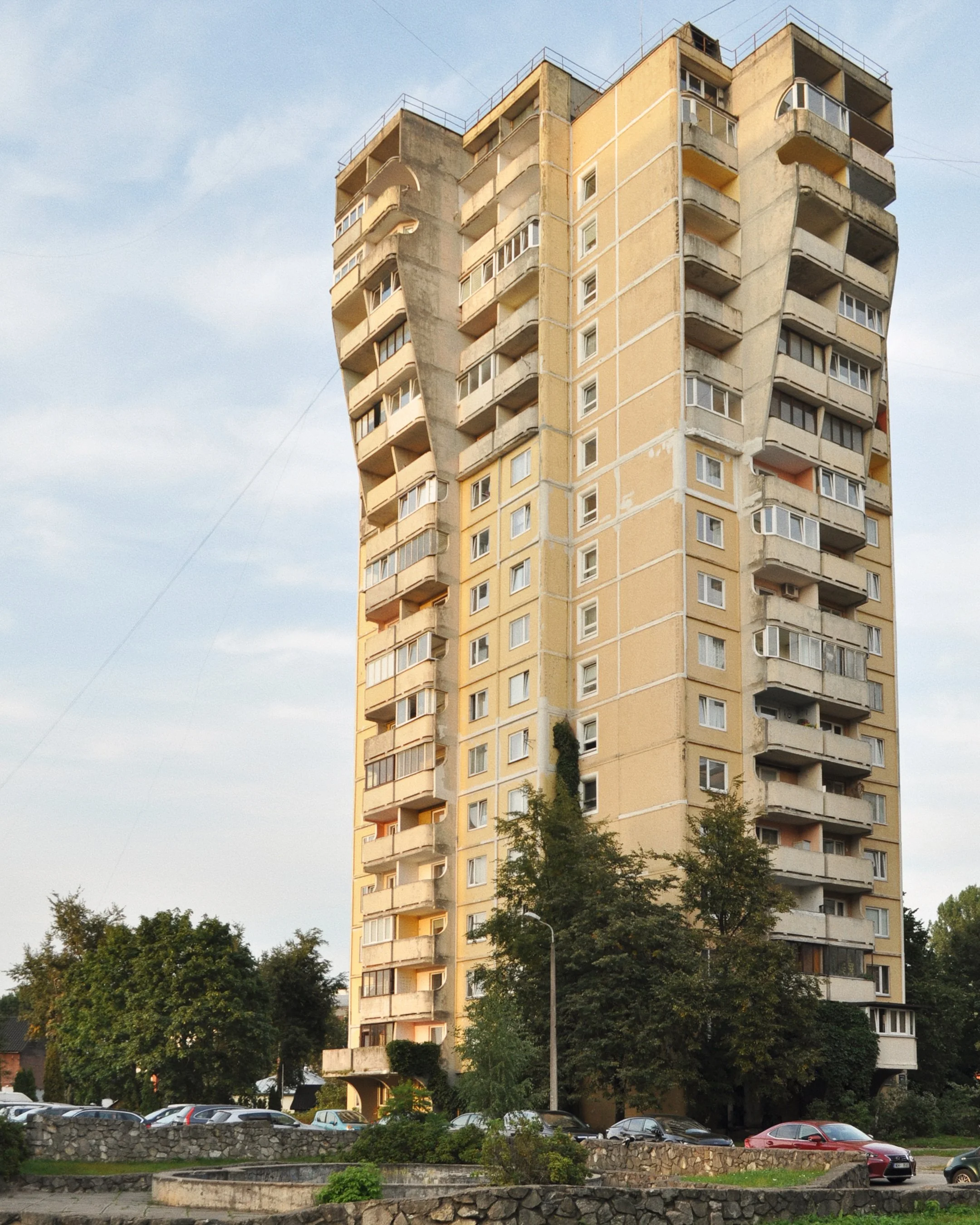
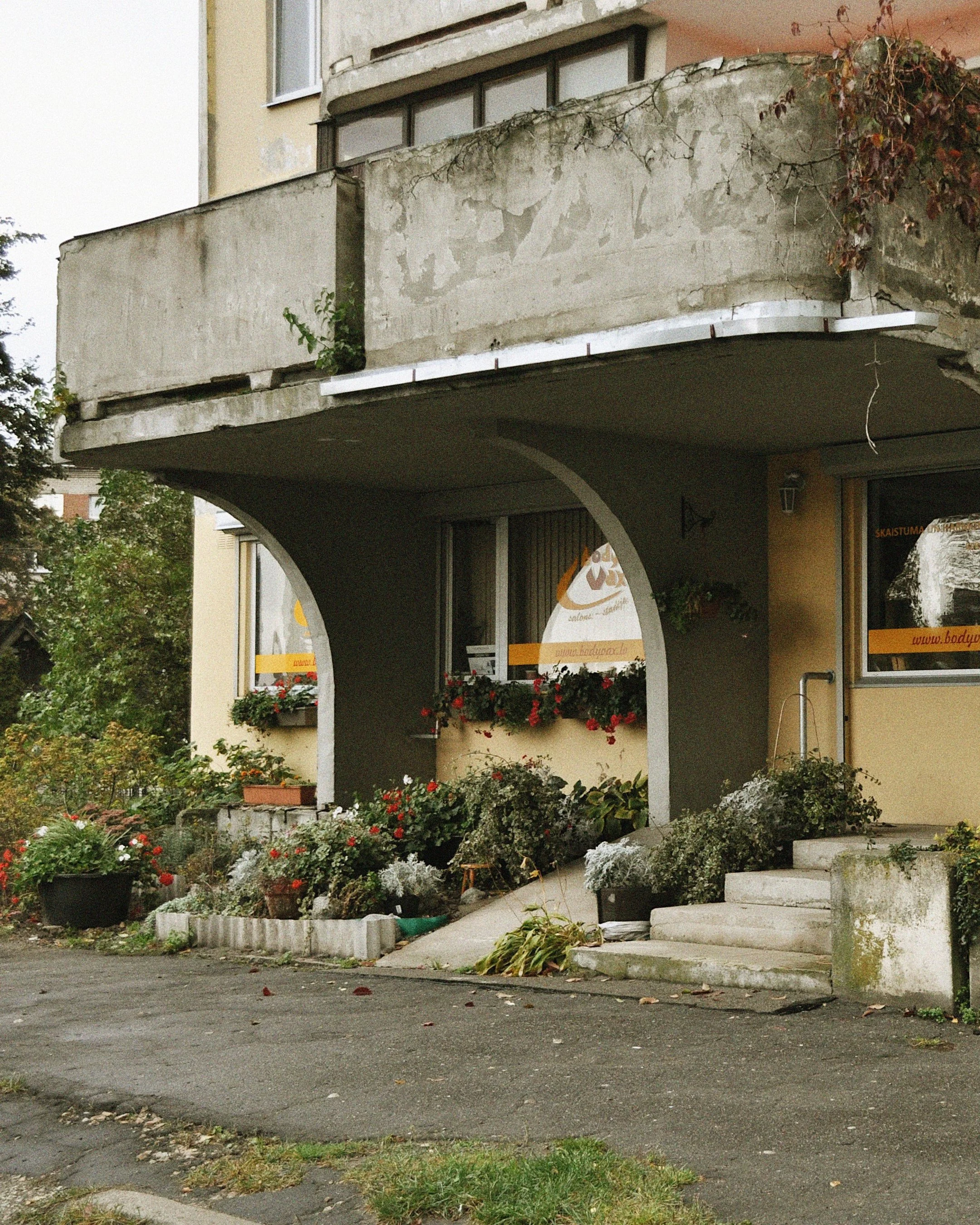
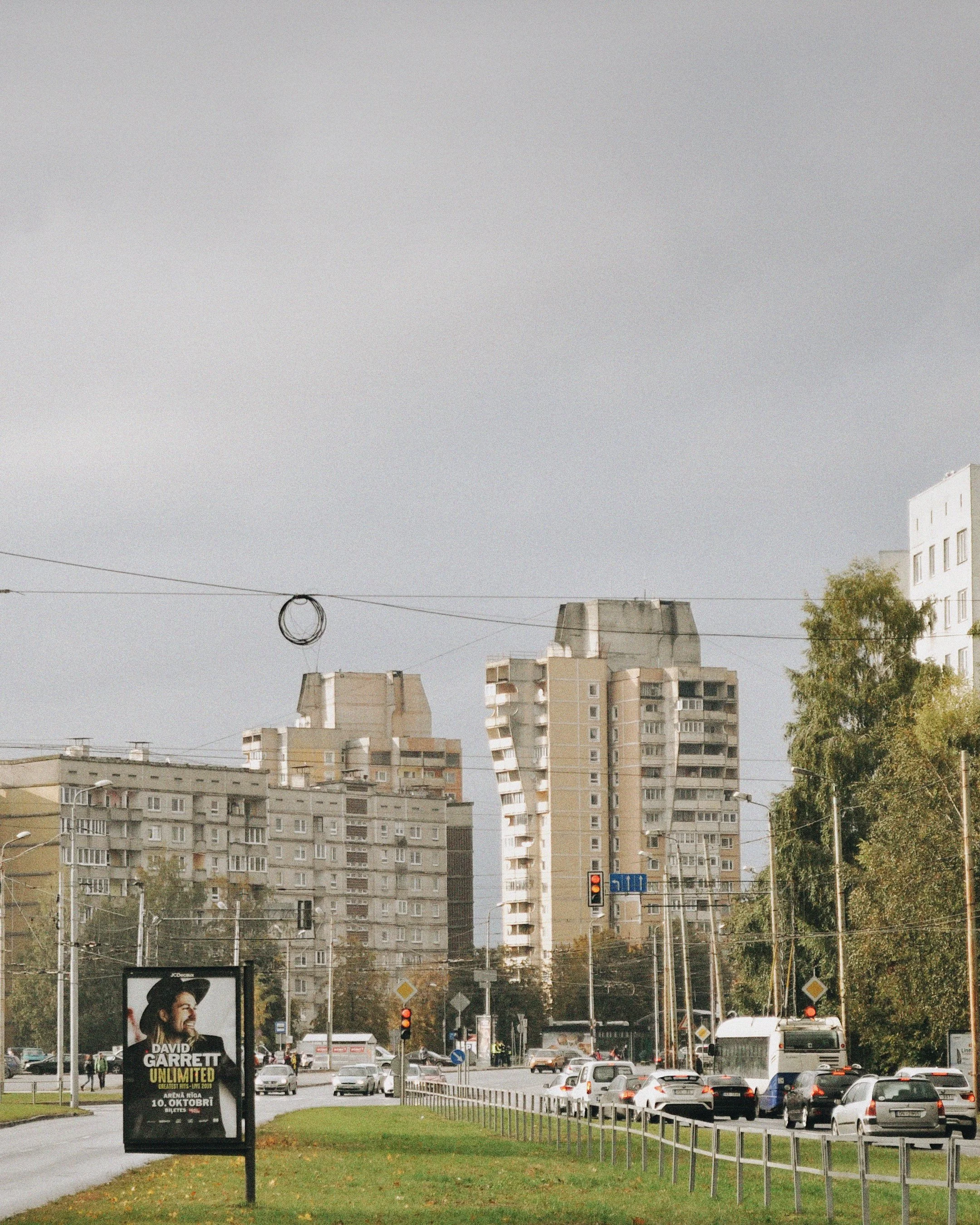
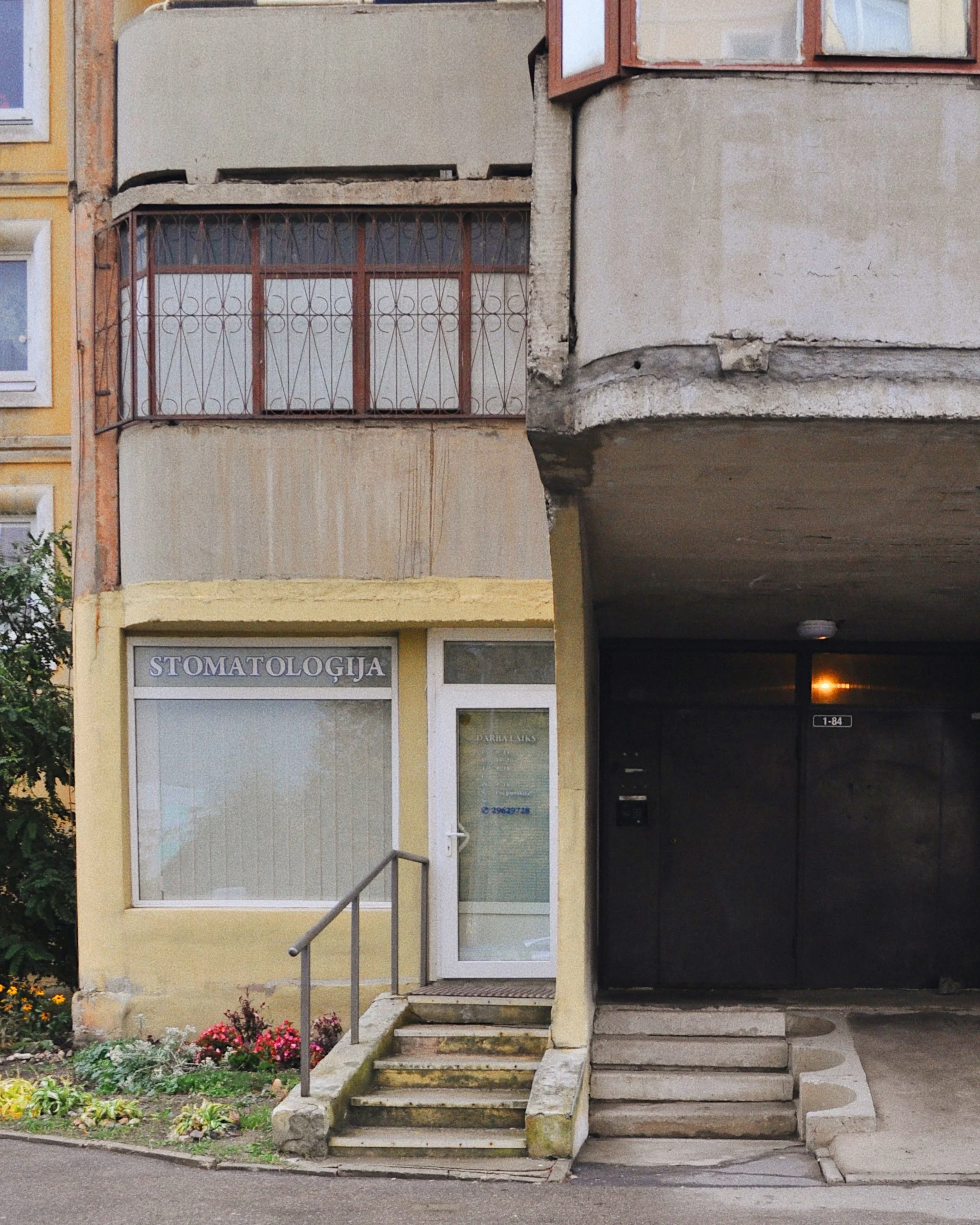
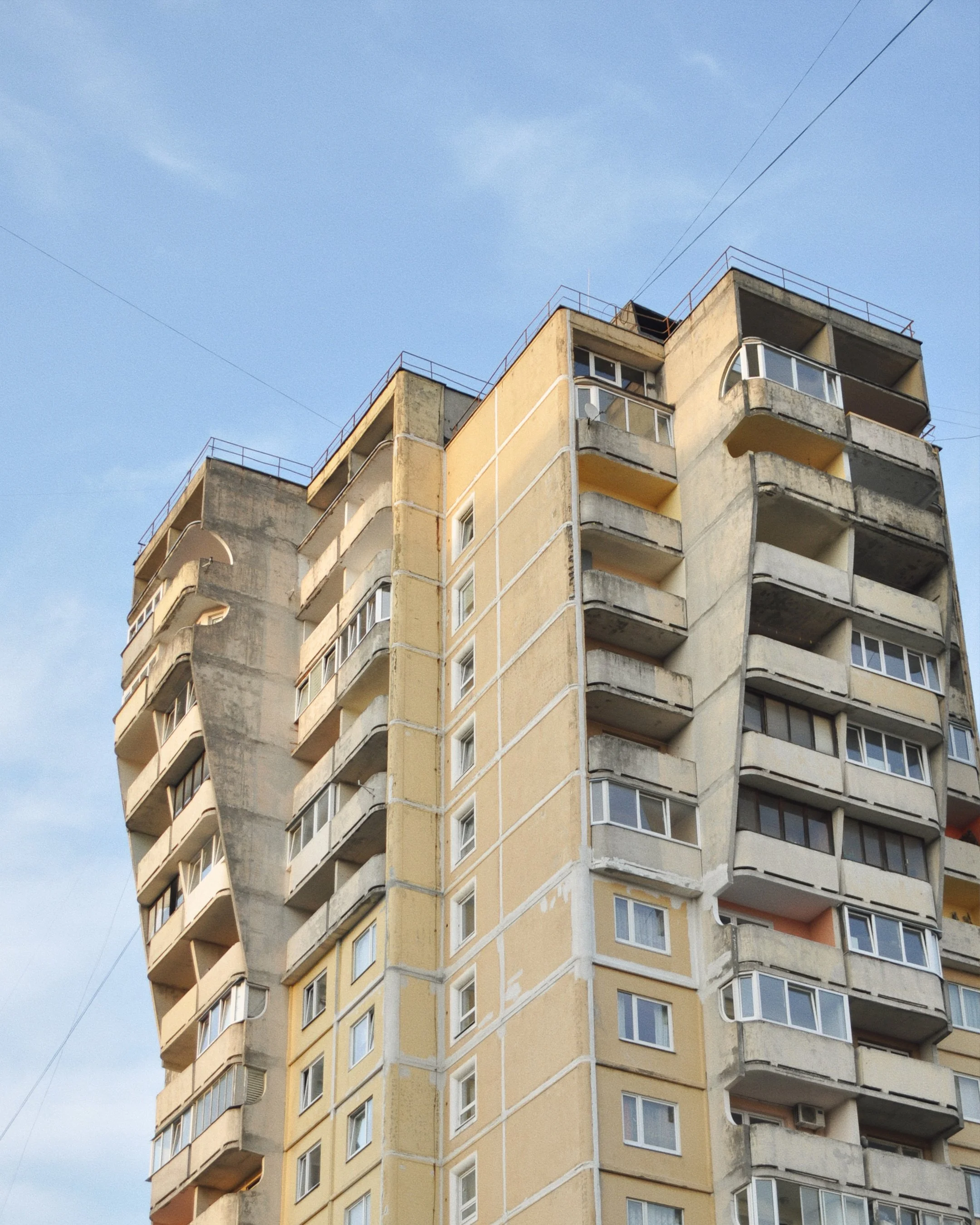
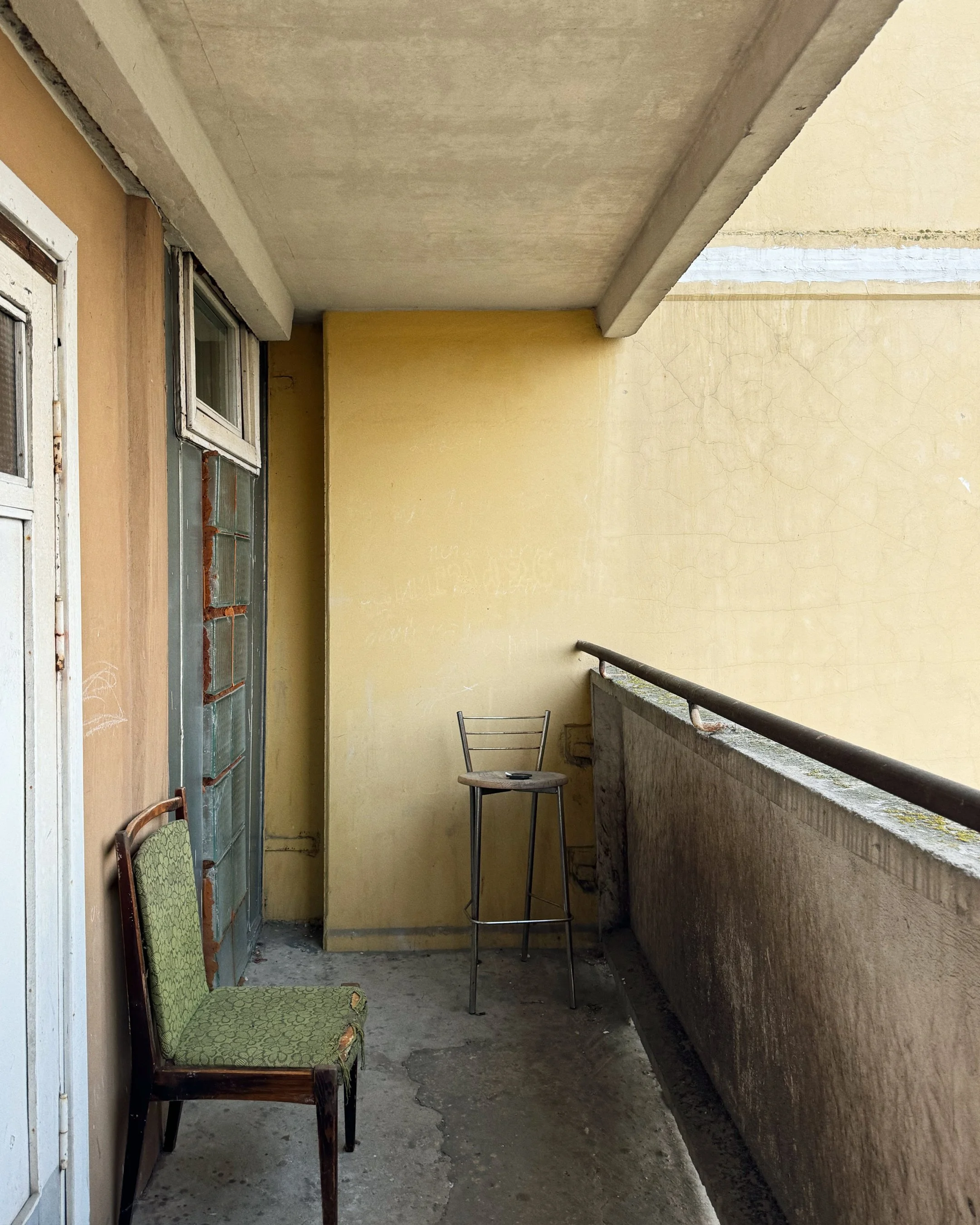
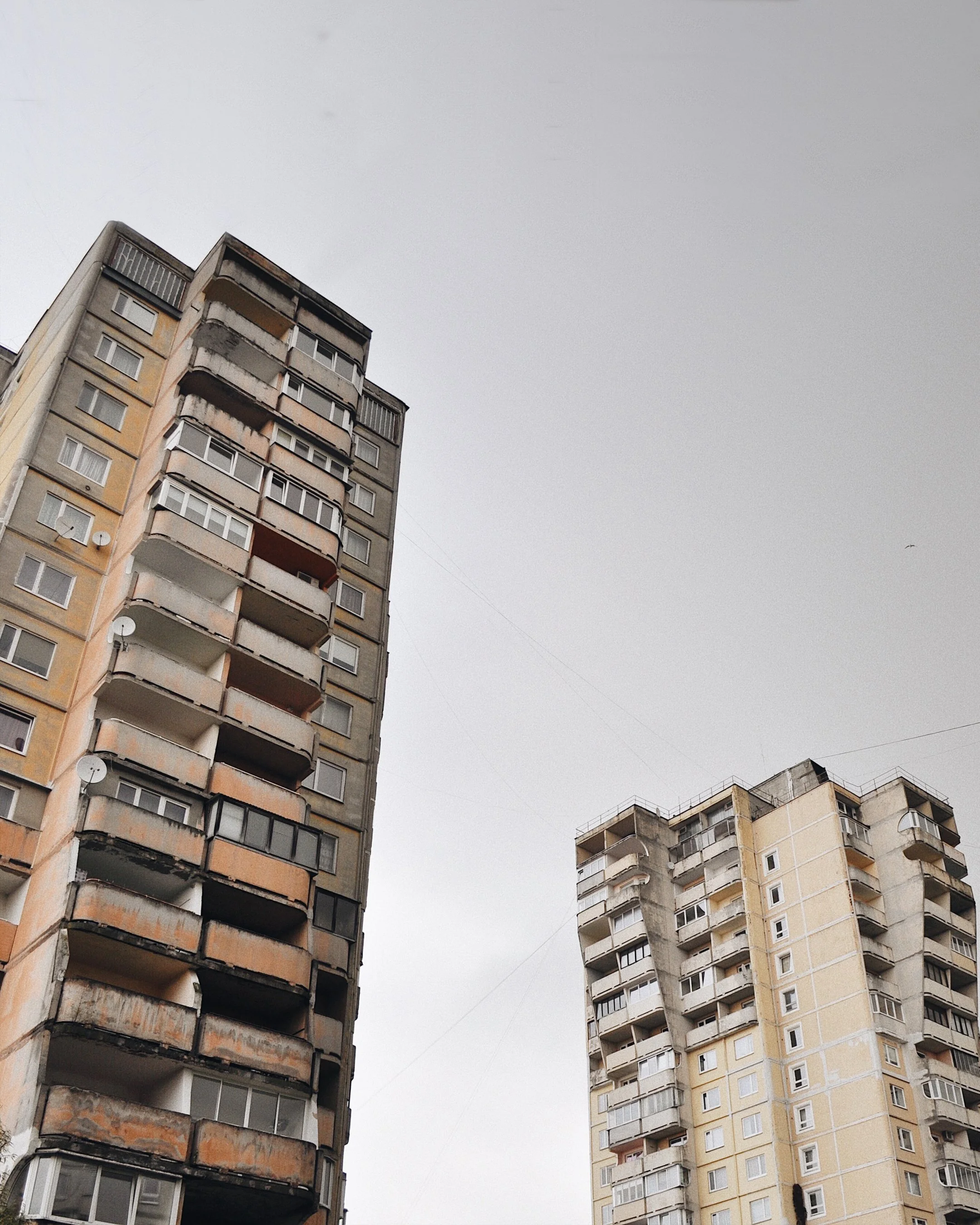
However, it resulted in one of the most iconic soviet modernist apartment buildings in Latvia. But if they were that successful, why can’t we see more of them? Actually there have been a few more attempts - one on Ilūkstes street and another one on Dzelzavas street, which looks a little different. The construction of the 22-storey building on Dzelzavas, designed by Andrejs Ģelzis, began at the end of the 1980s but was interrupted by the political turmoil in the country and only finished in 2004.
Although the French project remains a beloved destination for many soviet modernist enthusiasts, the current state of the buildings is less than ideal. The weathered facades and neglected courtyard show an unwillingness to engage with or appreciate any architecture built at the time, often categorising these as ‘Russian’ projects. Yet the story of these buildings and Olita Upaciere’s work as a whole stands as a reminder that architectural history is far more complex, and by ignoring these projects we risk erasing part of our own built history. As the architect herself stated, it’s important to contextualise architecture - was what we built at the time really that different from global trends? By uncovering stories of soviet architecture we have the opportunity to reshape how we see these buildings and reimagine their future.
1 Pooks, P (1983) 'Pie jaunā nama sliekšņa’', Zvaigzne, 15 November, Available at: https://periodika.lv/periodika2-viewer/?lang=fr#panel:pa|issue:1259284|article:DIVL136
2 Ibid.
3 Ibid.